The Rise of Car Leasing – Why More Drivers Choose to Lease Instead of Own

The Rise of Car Leasing – Why More Drivers Choose to Lease Instead of Own
In recent years, car leasing has gained remarkable traction across the U.S. auto market. Once primarily a choice for businesses and company fleets, leasing is now increasingly popular among everyday drivers. For many Americans, it’s about financial predictability, flexibility, and freedom from the hassles of depreciation and resale. But what’s really behind this shift—and what should you consider before signing a lease?
A New Way to Think About Driving
For decades, owning a car was a cornerstone of the American dream—a symbol of independence and success. But as the automotive landscape evolves, more drivers are rethinking what it means to have a car. With rapid advances in electric vehicles (EVs), safety technology, and connectivity, many now see cars less as long-term investments and more as tools for mobility.
Leasing fits perfectly into this mindset. Instead of tying up tens of thousands of dollars in a purchase, drivers pay a fixed monthly fee to use a new car for a set period—typically two to three years. When the term ends, they simply return the vehicle and can choose a new model. This flexibility appeals to those who value convenience and the ability to stay current with the latest automotive innovations.
Predictable Costs and Fewer Headaches
One of the biggest advantages of leasing is financial clarity. Monthly lease payments often include depreciation, warranty coverage, and sometimes maintenance, which means fewer surprise repair bills. For households managing tight budgets, that predictability can be a major relief.
Leasing also eliminates the risk of resale value fluctuations. When the lease ends, the leasing company—not the driver—bears the burden of selling the car. That peace of mind is especially valuable in a market where used car prices can swing dramatically.
Access to New Models Without Long Commitments
Technology in the auto industry moves fast. Features like advanced driver-assistance systems, improved battery ranges, and upgraded infotainment platforms make new models more appealing each year. Leasing allows drivers to upgrade frequently, staying on top of these innovations without worrying about trade-ins or depreciation.
Shorter lease terms also make it easier to adapt to life changes. Whether you’re starting a family, moving to a new city, or curious about switching to an EV, leasing offers the flexibility to adjust your vehicle choice every few years.
Læs også:
The Drawbacks—and What to Watch Out For
Leasing isn’t the perfect fit for everyone. Over time, it can cost more than buying—especially for those who drive very little or plan to keep a car for many years. Lease contracts also come with mileage limits, and exceeding them can lead to hefty fees. Likewise, wear-and-tear charges can add up if the car isn’t returned in good condition.
It’s crucial to read the fine print. Understand the mileage allowance, end-of-lease fees, and what’s covered under warranty. Comparing offers from multiple dealerships or leasing companies can help ensure you’re getting the best deal.
Another consideration is ownership. When you lease, you don’t build equity in the vehicle, can’t customize it, and can’t sell it later. For some, that lack of control is a downside; for others, it’s a welcome simplification.
Electric Vehicles and the Push Toward Sustainability
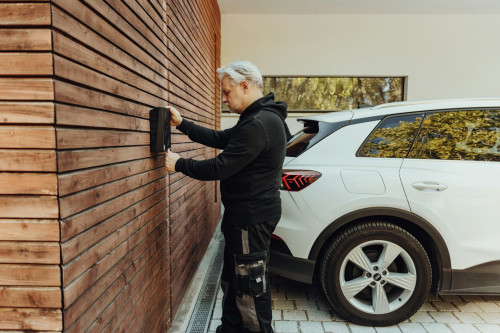
The growing interest in electric vehicles has given leasing an extra boost. Many drivers are intrigued by EVs but hesitant to commit due to concerns about battery life, charging infrastructure, or resale value. Leasing provides a low-risk way to test the technology before fully committing.
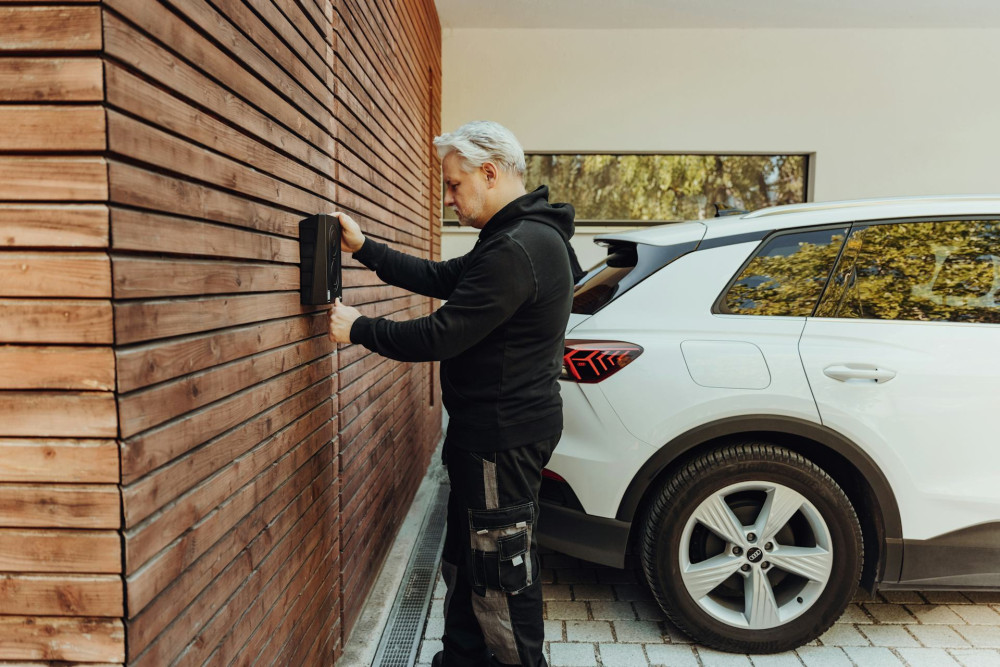
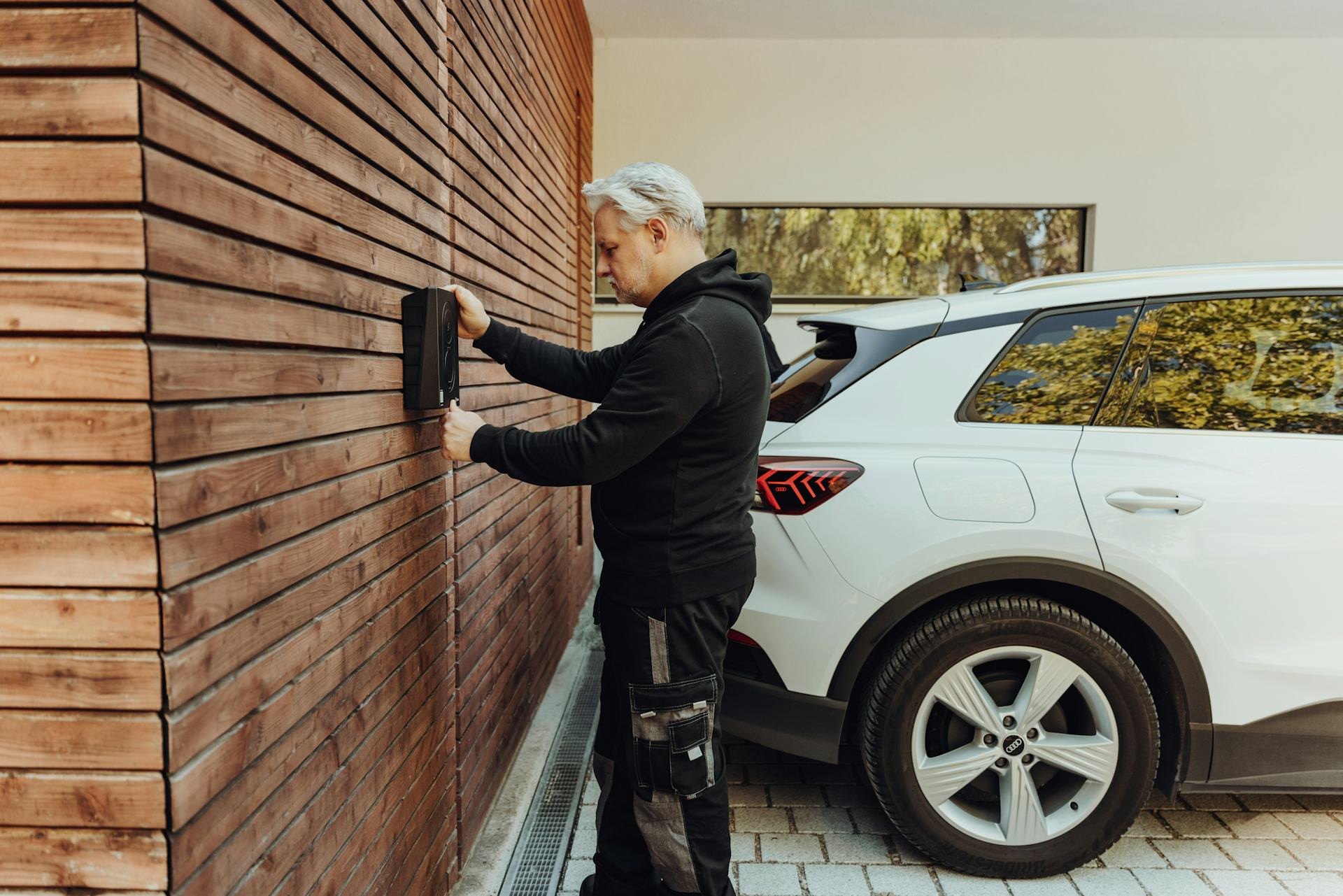
Automakers and leasing companies are also introducing eco-friendly programs, bundling EV leases with home charging solutions or renewable energy options. This makes it easier for consumers to take part in the transition toward cleaner transportation.
A Trend That’s Here to Stay
The rise of car leasing reflects a broader cultural shift from ownership to access. Just as we stream music instead of buying albums and subscribe to services instead of purchasing products outright, more Americans are choosing to lease their cars for the flexibility and convenience it offers.
Owning a car will always make sense for some—especially those who drive long distances or prefer full control over their vehicle. But for a growing number of modern drivers, leasing represents a smarter, simpler, and more adaptable way to stay on the road.
Læs også: