Electric Cars and Depreciation: How New Technology Affects Your Car’s Value

Electric Cars and Depreciation: How New Technology Affects Your Car’s Value
Electric vehicles (EVs) have transformed the U.S. car market in just a few years. New models are arriving faster than ever, and technology is evolving at a pace that can make even seasoned car buyers feel overwhelmed. But what does this rapid innovation mean for your car’s value over time? Depreciation—the rate at which a car loses value—is one of the most important factors to consider when buying a vehicle. Here’s how new technology, battery performance, and market trends are shaping the resale value of electric cars in America.
Depreciation – The Hidden Cost of Ownership
When you buy a car, depreciation is often your biggest expense, even though it doesn’t appear on the invoice. A new vehicle typically loses 15–25 percent of its value in the first year, then continues to decline gradually. For electric cars, the pattern has been less predictable. Early EVs tended to depreciate faster than gas-powered cars, but that trend is changing.
As technology matures and demand for used EVs grows, depreciation rates are becoming more stable. Factors like driving range, battery health, and software support now play a major role in determining how well an EV holds its value.
Læs også:

Battery Life – The Heart of Resale Value
The battery is the most expensive and critical component of an electric car. Early concerns about rapid battery degradation have largely been eased by real-world data showing that modern lithium-ion batteries last much longer than expected. Most automakers now offer warranties of 8 years or 100,000 miles or more, giving buyers confidence in long-term performance.
Still, battery condition remains a key factor in resale value. A car with a well-maintained battery, minimal degradation, and fast-charging capability will typically retain its value better. On the other hand, older models with shorter range or slower charging speeds may lose value more quickly as newer, more capable EVs enter the market.
Software and Updates – Cars That Improve Over Time
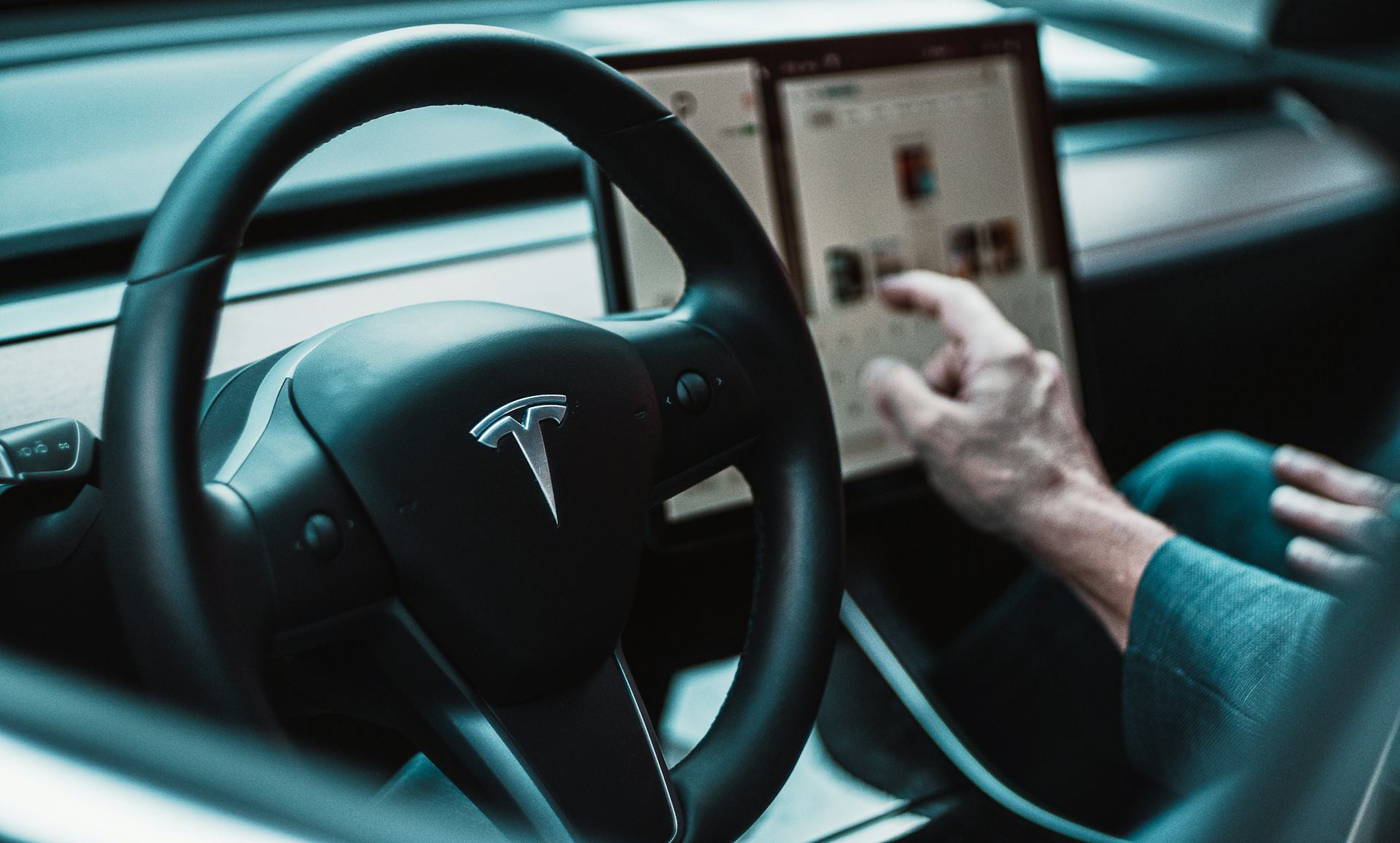
One of the biggest differences between electric and traditional cars is that many EVs can receive over-the-air software updates. These updates can improve performance, extend range, or add new features—without a trip to the dealership. Brands like Tesla, Rivian, and Ford have embraced this approach, keeping their vehicles technologically current for years after purchase.
This ability to evolve can slow depreciation, since the car doesn’t feel outdated as quickly. However, it depends on the manufacturer’s long-term support. If a company stops providing updates or discontinues a model, the car’s value can drop faster on the used market.
A Fast-Moving Market – and Its Impact on Prices
The U.S. EV market is changing rapidly. New models with longer range and lower prices are constantly entering the scene, putting pressure on older versions. Government incentives, tax credits, and infrastructure investments also play a major role. For example, changes to the federal EV tax credit or state-level rebates can quickly shift demand—and therefore used car prices.
In 2023 and 2024, price cuts on new EVs led to a noticeable dip in used EV values. That was great news for used car buyers but frustrating for those who had purchased new vehicles just months earlier. It’s a reminder that timing and market awareness are crucial if you want to minimize depreciation.
How to Protect Your Car’s Value
While you can’t control the market, there are several ways to help your EV hold its value:
- Follow maintenance guidelines – Keep up with recommended service and maintain detailed records.
- Charge smartly – Avoid fully charging or fully depleting the battery too often; it helps extend battery life.
- Stay updated – Install software updates to keep your car’s features current.
- Choose range and features wisely – Models with longer range and advanced driver-assistance systems tend to retain value better.
- Watch the market – Consider selling before a major model refresh or price drop.
The Future of EV Depreciation
All signs point to electric cars depreciating more in line with traditional vehicles in the coming years. Technology is stabilizing, used EV demand is growing, and improved battery warranties are boosting buyer confidence. At the same time, the rapid pace of innovation means some models will still become outdated quickly.
Choosing a brand with a strong track record of software support and long-term service can make a big difference. Electric cars are no longer a niche experiment—they’re a central part of the American automotive landscape. With the right knowledge and timing, you can make sure your EV investment holds its value for years to come.
Læs også: