Smart Company Cars: How Digital Solutions Boost Everyday Efficiency

Smart Company Cars: How Digital Solutions Boost Everyday Efficiency
For many American businesses, company cars have long been more than just a means of transportation—they’re tools that keep operations moving and employees connected. But as the automotive industry becomes increasingly digital, the role of the company car is evolving. Today, it’s not only about getting from point A to point B; it’s about using technology to make work smarter, more efficient, and more sustainable. Here’s how digital solutions are transforming the everyday business drive.
From Vehicle to Mobile Workspace
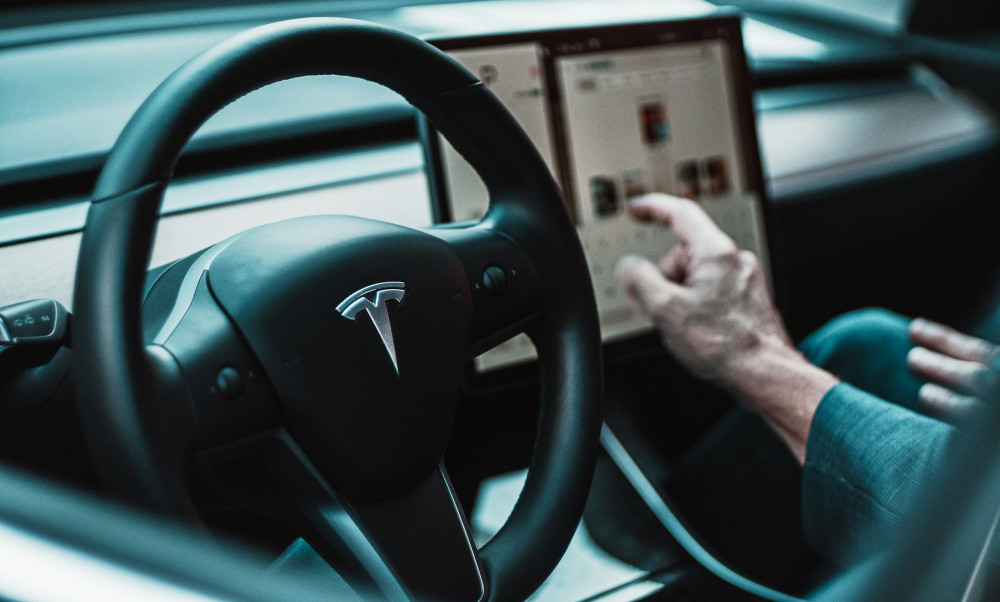
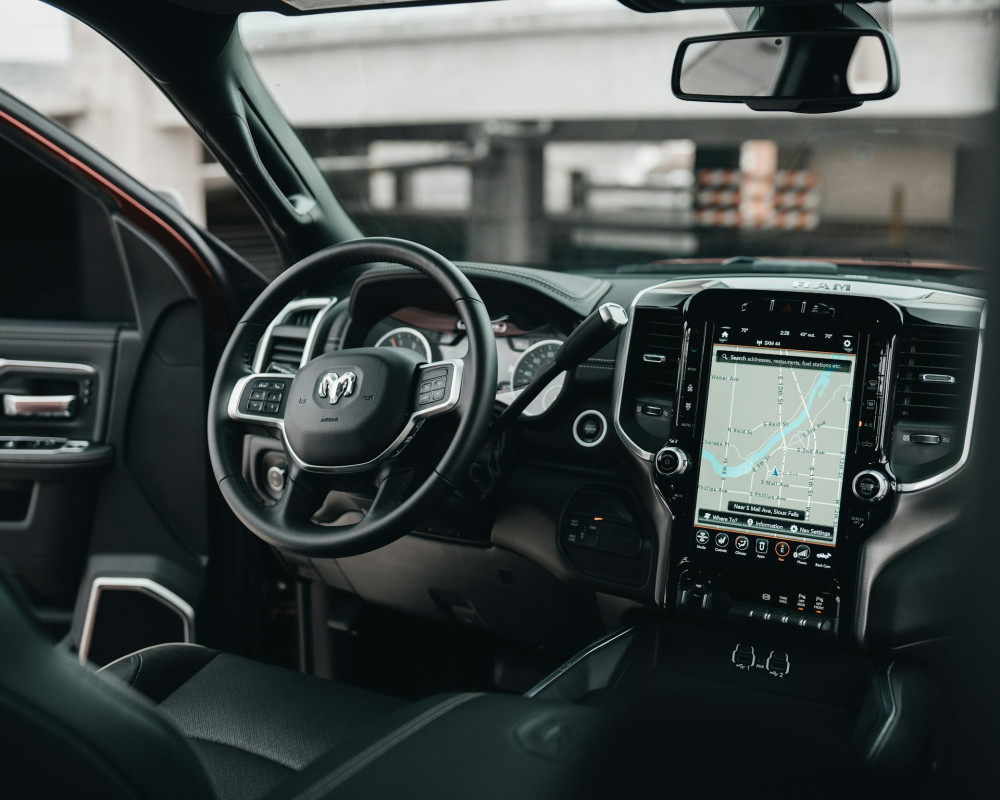
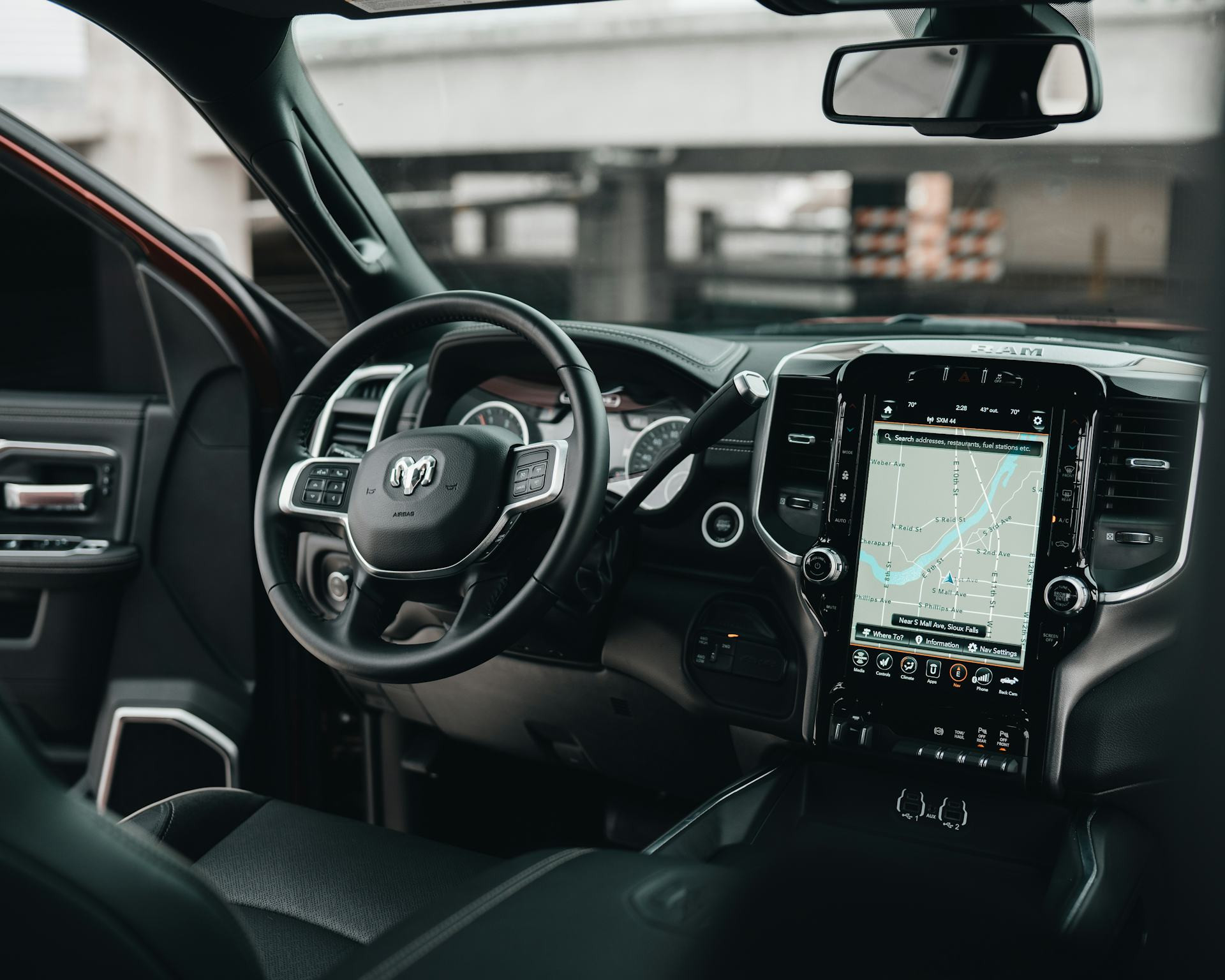
Modern company cars are now equipped with advanced systems that turn them into mobile offices. Integrated infotainment systems, voice control, and wireless connectivity allow employees to manage tasks, plan routes, and stay in touch with colleagues—all while keeping their eyes on the road.
For instance, calendar integration can automatically suggest the best route to the next meeting, while real-time traffic updates adjust estimated arrival times. This saves time, reduces stress, and helps employees stay productive even when they’re on the move.
Fleet Management Powered by Data
For companies managing multiple vehicles, digital fleet management systems have become indispensable. Using GPS, sensors, and real-time data, managers can track vehicle locations, monitor usage, and schedule maintenance before issues arise.
The benefits are clear:
- Smarter planning: Routes can be optimized to reduce travel time and fuel consumption.
- Preventive maintenance: Systems can alert managers before a vehicle needs service, minimizing downtime.
- Accurate reporting: Data on mileage, fuel use, and emissions can support sustainability goals and financial reporting.
Fleet management isn’t just about oversight—it’s about making informed decisions that improve efficiency and reduce costs.
Automated Mileage Tracking and Administration
Keeping accurate mileage logs can be a tedious task for employees. Digital mileage tracking solutions make it effortless. GPS-based systems automatically record trips, distinguish between business and personal travel, and generate reports that can be sent directly to accounting departments.
This automation saves time, reduces errors, and ensures compliance with IRS requirements. Employees can focus on their core responsibilities instead of paperwork, while companies maintain accurate records for tax and reimbursement purposes.
Driving the Green Transition with Smart Technology
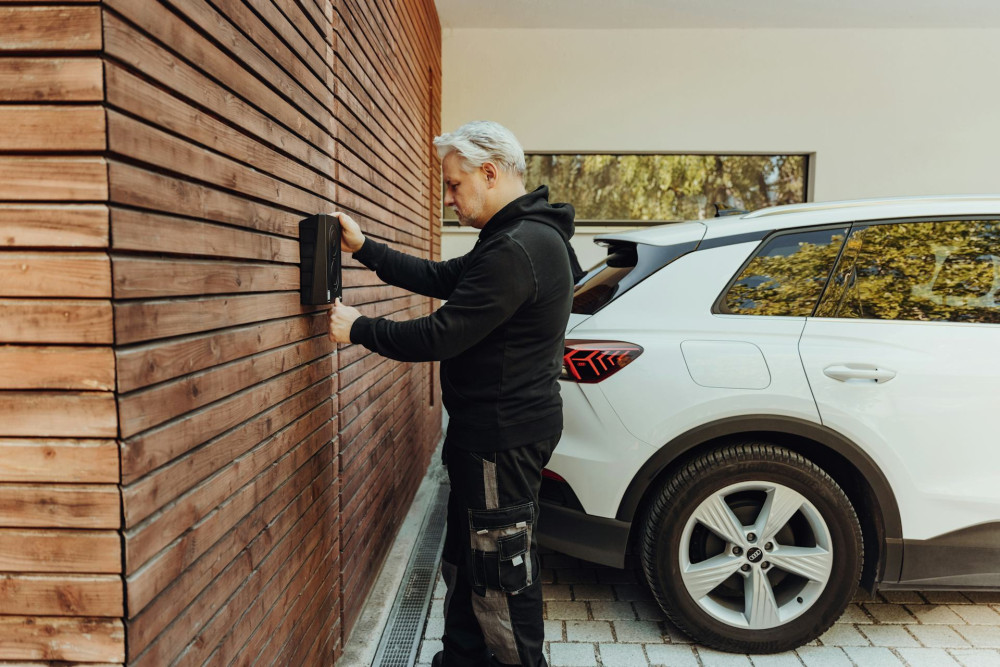
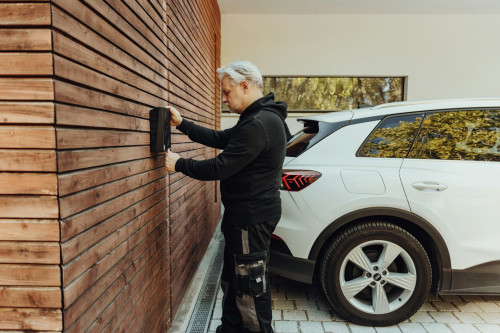
Digitalization also plays a key role in the shift toward electric and hybrid company cars. Many vehicles now come with apps that monitor battery levels, locate nearby charging stations, and calculate the most energy-efficient routes.
For businesses, this means they can plan charging schedules across their fleets, avoid unnecessary downtime, and track CO₂ savings. It’s a practical way to combine cost efficiency with environmental responsibility—an increasingly important factor for U.S. companies aiming to meet sustainability targets.
Læs også:
Safety and Peace of Mind
Digital solutions are also enhancing driver safety. Modern company cars feature systems that monitor driver attention, issue alerts for drowsiness or distraction, and can even apply emergency braking automatically.
Additionally, driving data can be analyzed to identify risky habits and provide targeted training, helping reduce accidents and insurance costs. Investing in safety technology is not just about compliance—it’s about protecting employees and ensuring business continuity.
The Connected Future of Company Cars
The evolution of company cars is far from over. In the coming years, we’ll see even deeper integration between vehicles, businesses, and digital platforms. Artificial intelligence will predict maintenance needs, optimize fleet usage, and even recommend the best time to replace vehicles.
The company car is becoming an active part of a business’s digital ecosystem—a data source that can inform decisions on logistics, sustainability, and cost management.
Efficiency Through Technology—with People at the Center
While technology opens up new possibilities, its purpose is not to replace people but to empower them. The best digital solutions are those that simplify daily tasks, free up time, and provide clarity.
When the company car becomes an intelligent partner in the workday, both employees and businesses can go further—faster, smarter, and more efficiently.
Læs også: