The Construction Contract: How to Ensure a Clear and Legally Binding Agreement

The Construction Contract: How to Ensure a Clear and Legally Binding Agreement
Building or remodeling a home is one of the biggest financial and emotional investments most people make. That’s why it’s essential to have a clear, detailed, and legally binding agreement between the homeowner and the contractor. A construction contract isn’t just paperwork—it’s your best protection against misunderstandings, delays, and unexpected costs. Here’s how to make sure your contract sets the right foundation for a successful project.
Why a Written Contract Is Essential
Many construction projects begin with trust and a handshake, but even small misunderstandings can turn into major disputes. A written contract clearly defines what has been agreed upon and provides documentation if disagreements arise.
A solid contract should:
- Describe exactly what work will be done and at what price
- Set a timeline and payment schedule
- Explain how changes and additional work will be handled
- Include terms for delays, defects, and dispute resolution
In short, a written contract is your safety net—it ensures that everyone knows what to expect and what happens if things don’t go as planned.
Use the Right Contract Form
In the United States, there are several standard contract forms designed to balance the interests of both homeowners and contractors. The most commonly used include:
- AIA (American Institute of Architects) Contracts – widely used for both residential and commercial projects, offering detailed provisions for scope, payment, and dispute resolution.
- ConsensusDocs – developed by a coalition of industry groups, these contracts emphasize collaboration and fair risk allocation.
- State-Specific Home Improvement Contracts – many states, such as California, Texas, and Florida, have their own legal requirements for residential construction agreements.
If you’re a homeowner, make sure your contract complies with your state’s home improvement laws. Some states require specific disclosures, cancellation rights, or contractor license information to make the contract enforceable.
Describe the Work in Detail
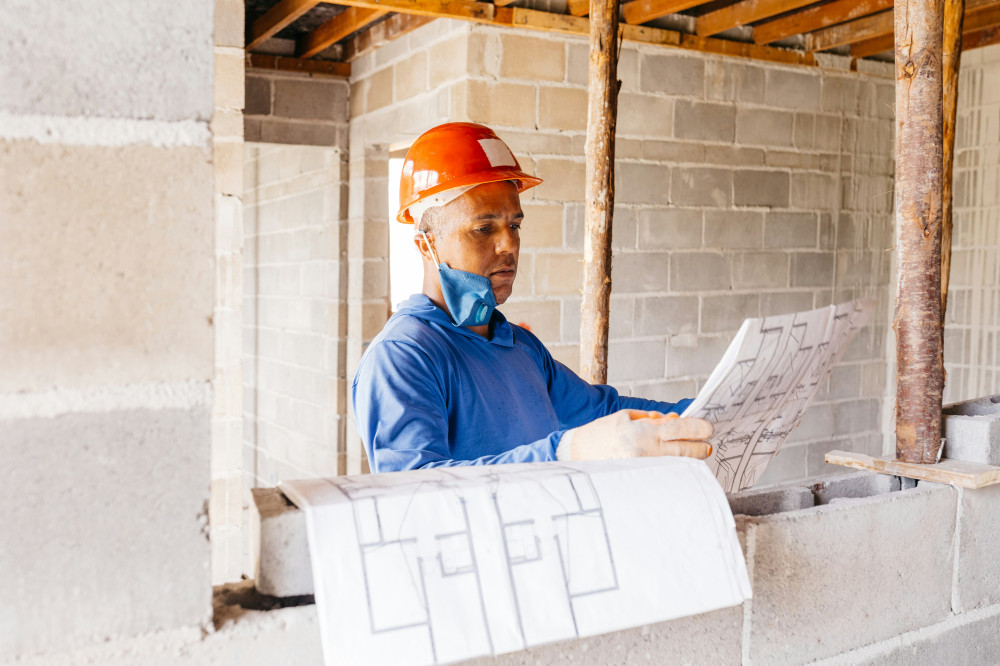
One of the most common causes of conflict is vague or incomplete descriptions of the work. Your contract should include a detailed scope of work, supported by drawings, specifications, and material lists.
Pay special attention to:
- Materials and quality – specify brands, models, and grades of materials to be used.
- Scope of work – clarify whether the contractor is responsible for permits, debris removal, and cleanup.
- Timeline – include start and completion dates, as well as milestones for progress payments.
- Price and payment terms – outline when and how payments will be made, such as deposits, progress payments, and final payment upon completion.
The more specific your contract is, the less room there is for disagreement later.
Læs også:

Managing Changes and Extra Work
Changes are almost inevitable in construction—whether due to design adjustments or unforeseen conditions. Your contract should clearly state how changes will be handled.
Agree that:
- All changes must be approved in writing before work begins.
- The cost of additional work must be documented and accepted by both parties.
- The schedule will be adjusted if changes affect the timeline.
Written change orders protect both you and the contractor from confusion and surprise costs.
Delays, Defects, and Disputes
Even with careful planning, problems can occur. Your contract should outline what happens if the project is delayed or if the work is defective.
- Delays: Specify remedies if the contractor fails to meet deadlines, such as liquidated damages or adjusted payments.
- Defects: Define how and when the contractor must correct faulty work, and when the project is considered complete.
- Disputes: Include a clear process for resolving disagreements—through mediation, arbitration, or court. Many standard contracts include these provisions, but make sure you understand them before signing.
Get Professional Advice
Even if you use a standard contract form, it’s wise to have a construction attorney or consultant review it before you sign. A professional can:
- Identify unclear or risky terms
- Ensure your rights are protected under state law
- Advise on insurance, warranties, and liability
The cost of legal review is small compared to the potential expense of a dispute later.
Checklist Before You Sign
Before you sign the contract, make sure it includes:
- Full names and contact information for both parties
- A detailed description of the work
- Start and completion dates
- Total price and payment schedule
- Procedures for changes and extra work
- Terms for delays, defects, and dispute resolution
- Required state disclosures and contractor license information
- Signatures from both parties
When all these elements are in place, you’ll have a strong foundation for a smooth and successful project.
A Good Contract Brings Peace of Mind
A construction contract isn’t just about legal protection—it’s about confidence. When the agreement is clear, written, and well thought out, both you and your contractor can focus on what really matters: completing a quality project on time and within budget.
With a detailed contract, realistic expectations, and open communication, you’ll be well on your way to a stress-free building experience—and a home you can enjoy for years to come.
Læs også: