Document Your Construction – It Can Save You Trouble in Insurance Claims

Document Your Construction – It Can Save You Trouble in Insurance Claims
When you’re remodeling, renovating, or building new, documentation is rarely the first thing on your mind. But keeping thorough records of your construction project can make all the difference if you ever need to file an insurance claim. Proper documentation can save you time, money, and frustration—and help ensure you receive the compensation you’re entitled to.
Why Documentation Matters
Insurance claims often come down to proof—proof of how damage occurred and what the condition of your property was before and after the work. Without documentation, it can be difficult to convince your insurance company that a problem wasn’t caused by poor workmanship or neglect.
For example, if your basement floods after a heavy rain, photos and notes showing your drainage system, waterproofing, and the previous condition of the area could determine whether your claim is approved. Without that evidence, the insurer may deny coverage because they can’t verify that the work was done properly.
What You Should Document
Documentation isn’t just about taking pictures—it’s about collecting the right information. Here are some key elements to include:
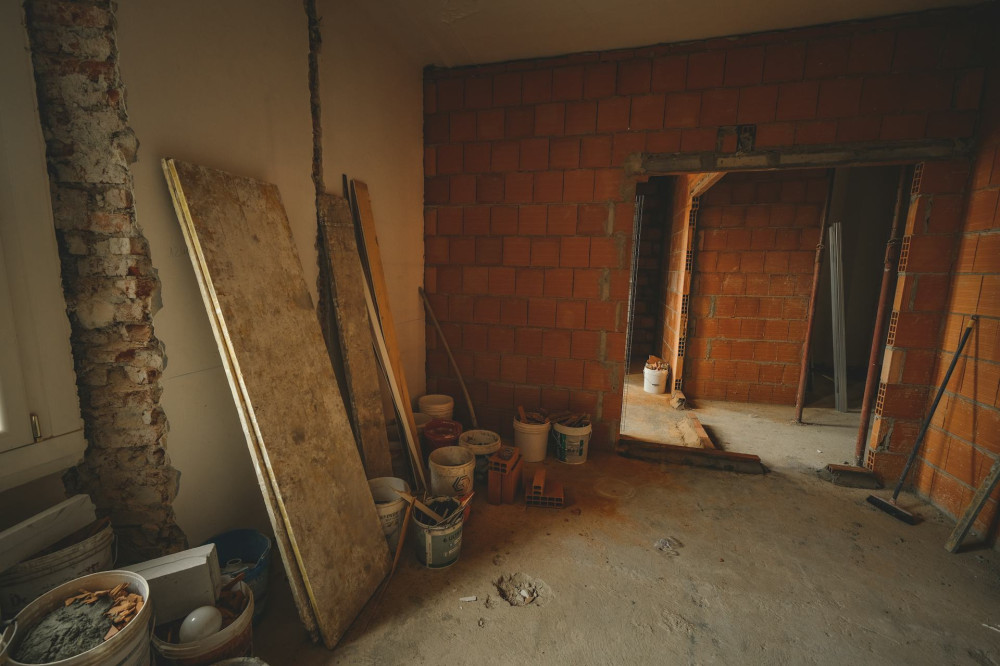
- Before photos: Take clear pictures of the area before any work begins. This shows the original condition.
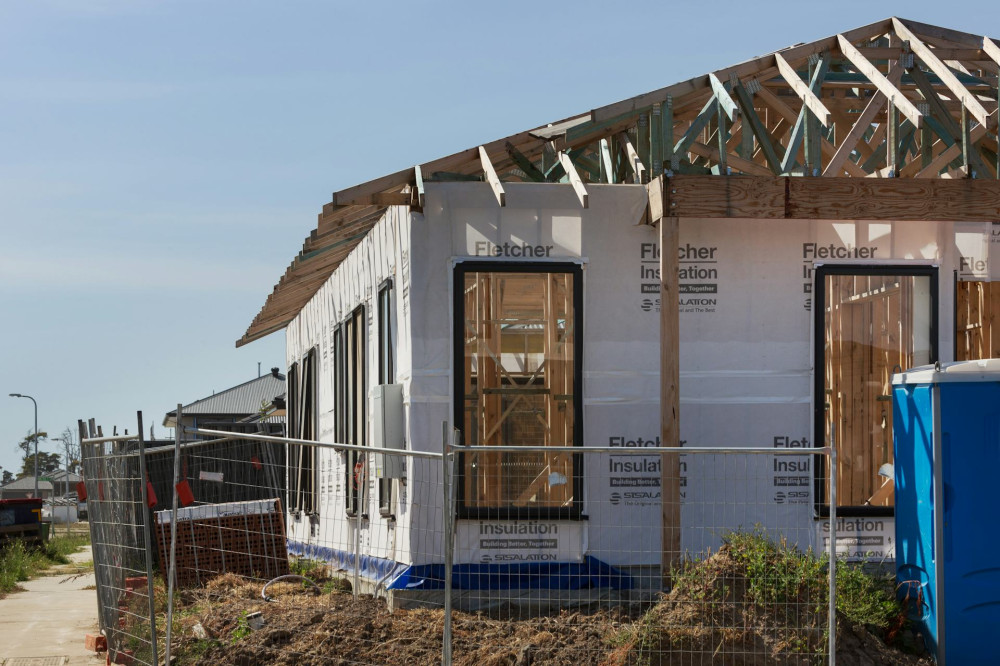
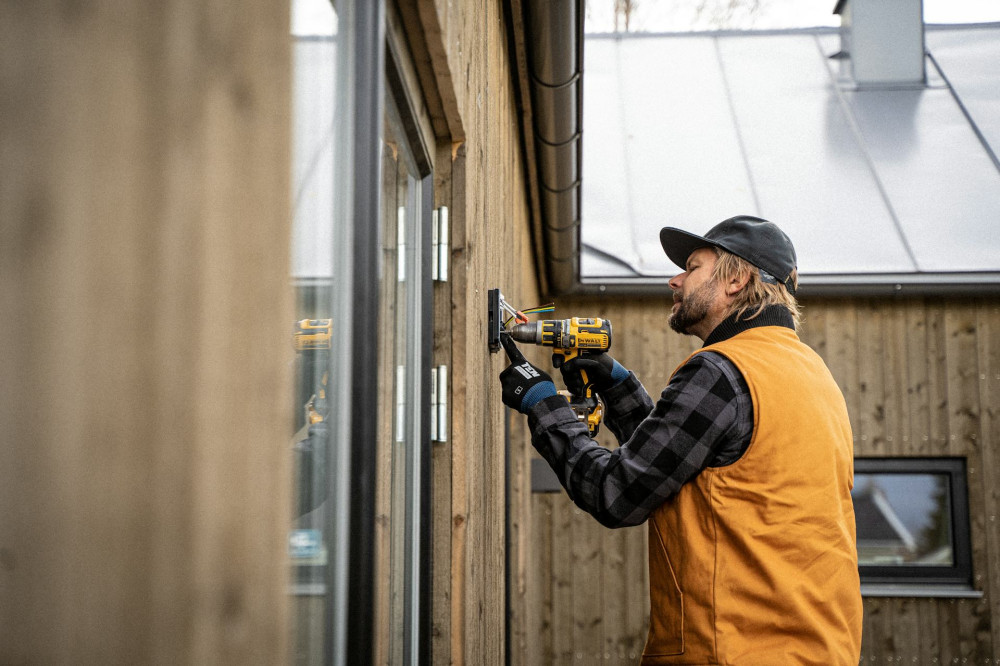
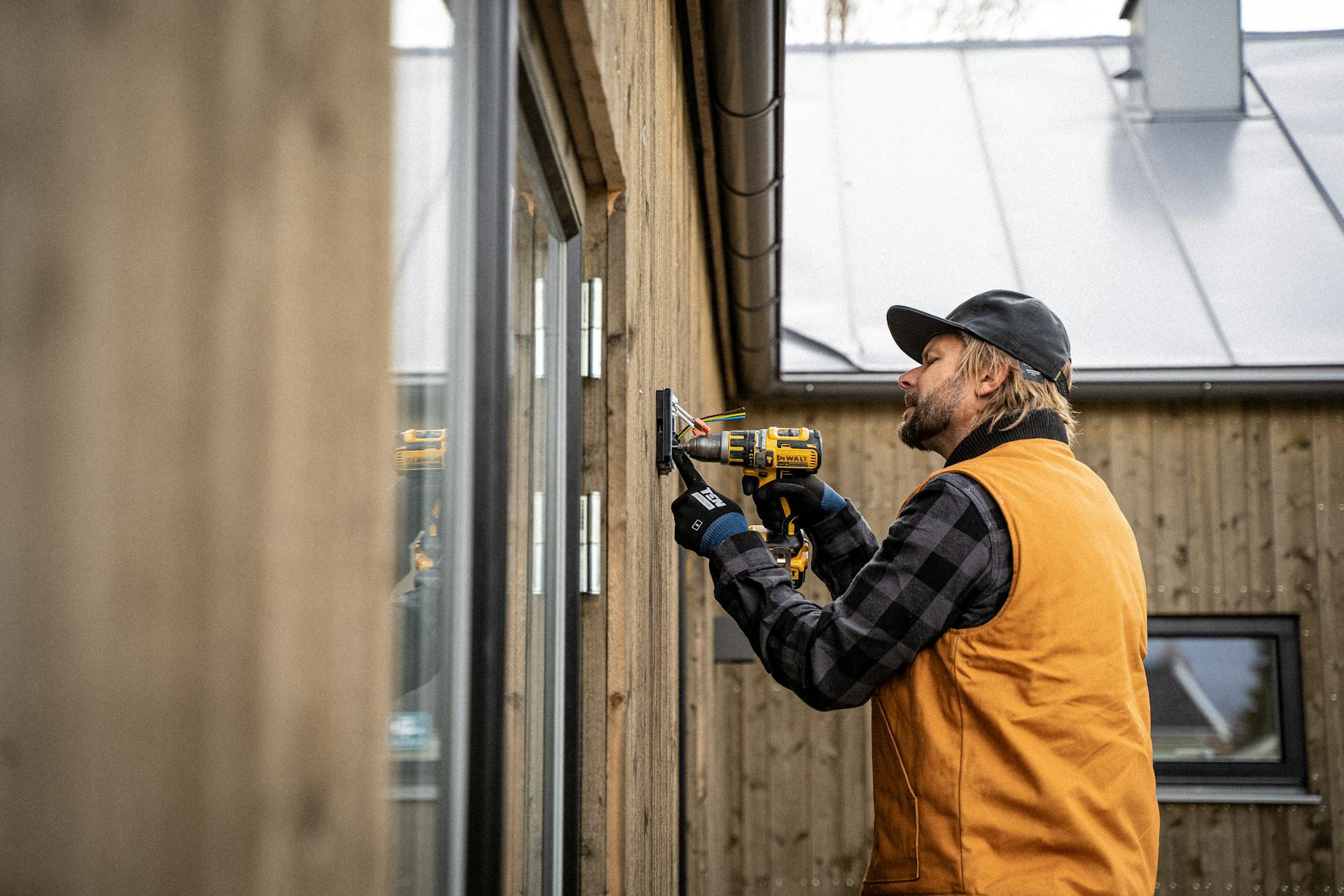
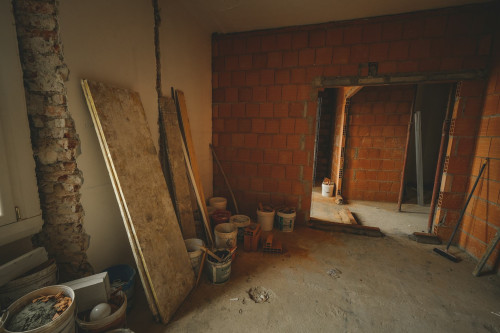
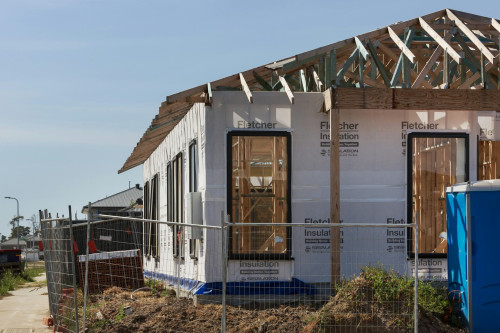
- Progress photos: Capture images as the work progresses, especially before walls or floors are closed up—such as insulation, plumbing, or wiring.
- After photos: Photograph the finished work from multiple angles.
- Invoices and receipts: Keep all records for materials, contractors, and permits. These prove both quality and responsibility for the work.
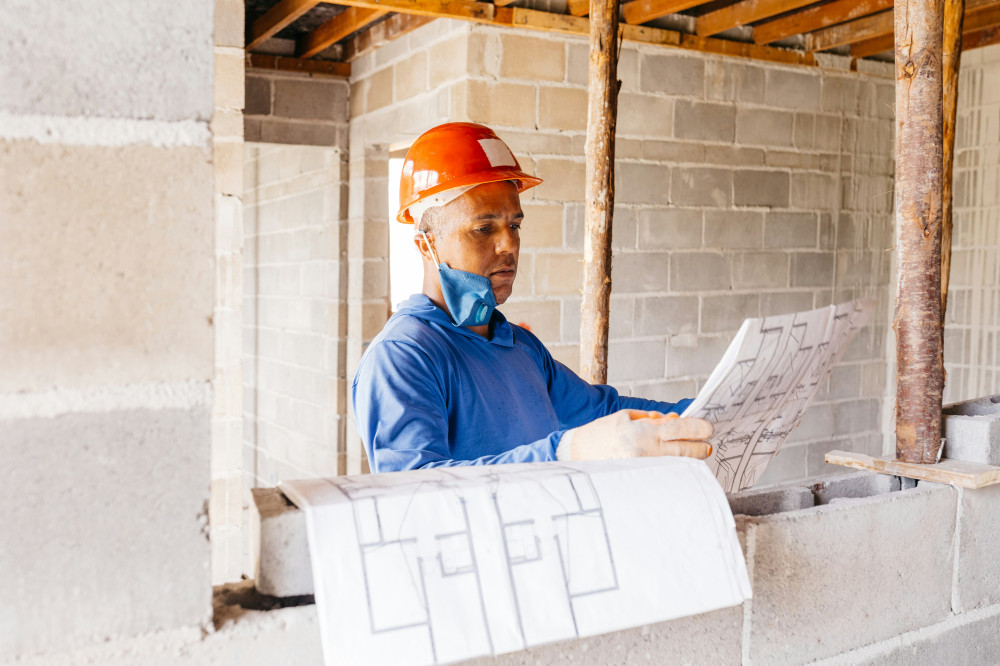
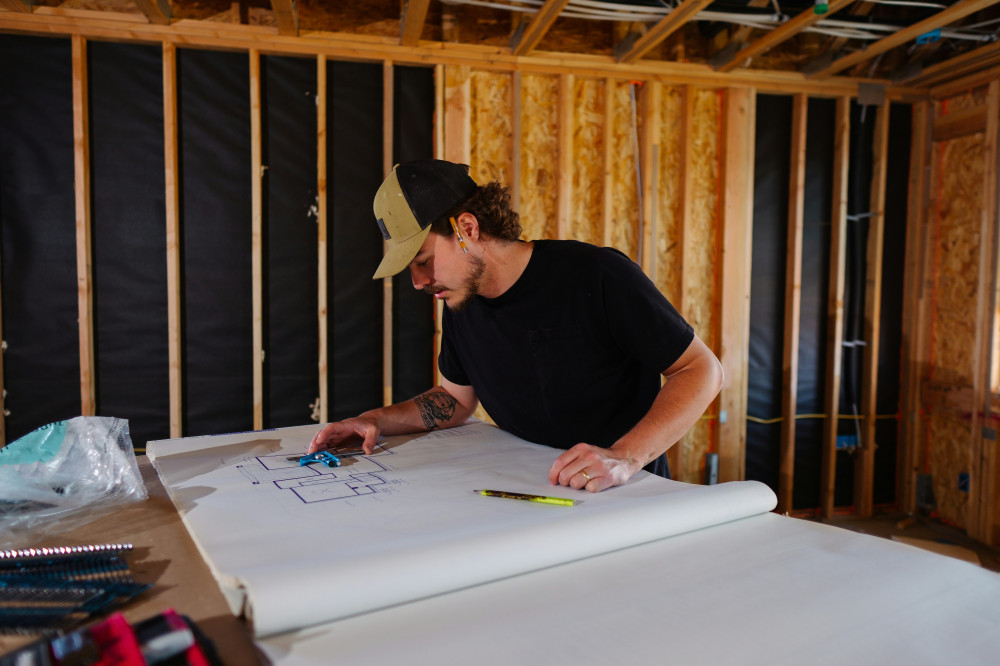
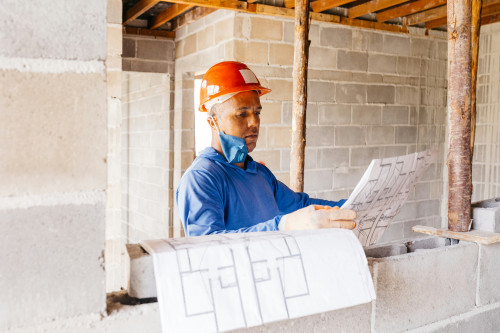
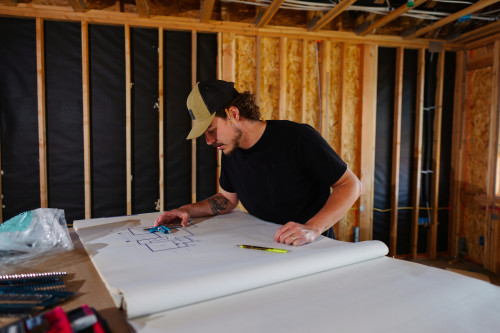
- Plans and permits: Save blueprints, building permits, and any change orders or updates made during the project.
- Correspondence: Keep emails, texts, and notes from conversations with contractors, inspectors, or designers. These can clarify agreements if disputes arise later.
The more organized your records, the easier it will be to find what you need if a problem occurs.
Digital Tools Make It Easy
Today, there are plenty of digital tools to help you manage your construction documentation. You can use anything from a simple cloud folder to specialized construction apps that store photos, plans, and notes in one place.
The advantage of digital storage is accessibility—you can easily share files with your insurance company, contractor, or even a future buyer. Just make sure to back up your data so you don’t lose important files if your device fails.
When Damage Happens – How to Use Your Documentation
If something goes wrong and you need to file a claim, your documentation becomes your strongest ally. It can help you:
- Prove proper workmanship: Show that the work was done according to code and by qualified professionals.
- Support your explanation: Provide evidence of when and how the damage occurred.
- Speed up the claims process: The more precise your documentation, the faster your insurer can make a decision.
Many insurance claims are delayed or denied simply because there isn’t enough documentation. Having a well-organized record can prevent unnecessary setbacks and misunderstandings.
Læs også:
Think of Documentation as an Investment
Taking the time to document your construction project may feel like extra work, but it’s an investment that pays off. It provides peace of mind—for you, your contractors, and anyone who may own the property in the future.
Good documentation can even increase your home’s value. When it’s time to sell, being able to show that renovations were done properly and professionally builds trust with potential buyers and can make the sale smoother.
Make It a Habit
Whether you’re tackling a major renovation or just replacing your roof, make documentation a standard part of your process. Create a simple routine: take photos, save receipts, and jot down what was done and when. It doesn’t have to be perfect—just consistent.
Once you’ve done it once, it quickly becomes second nature. And if problems ever arise, you’ll be grateful you took the time to document your work.
Læs også: