Green Homes, Lower Costs: When Sustainability Pays Off

Green Homes, Lower Costs: When Sustainability Pays Off
Sustainability at home isn’t just about protecting the planet—it’s also a smart financial move. Across the United States, more homeowners are discovering that green upgrades like energy-efficient renovations, solar panels, and water-saving systems can cut utility bills while reducing carbon footprints. Here’s how sustainable living can pay off—for both the environment and your wallet.
Energy Upgrades: The Fastest Route to Lower Bills
A great place to start is your home’s energy use. Many older houses lose heat through drafty windows, poor insulation, and outdated heating or cooling systems. Energy-efficient upgrades can be among the most cost-effective investments you make.
- Insulating attics and walls can dramatically reduce heat loss and lower heating and cooling costs.
- Replacing old windows with double- or triple-pane models improves comfort and efficiency.
- Upgrading to a heat pump or high-efficiency HVAC system can cut energy use by up to 50% compared to older systems.
While these improvements require upfront spending, federal tax credits and state or utility rebates can offset the cost. Plus, a more energy-efficient home often appraises higher and sells faster.
Læs også:

Solar Power and Clean Energy Options
Solar energy has become increasingly affordable in the U.S., with installation costs dropping and incentives expanding. A rooftop solar system can cover much of a household’s electricity needs, especially when paired with a battery that stores excess power for nighttime use.
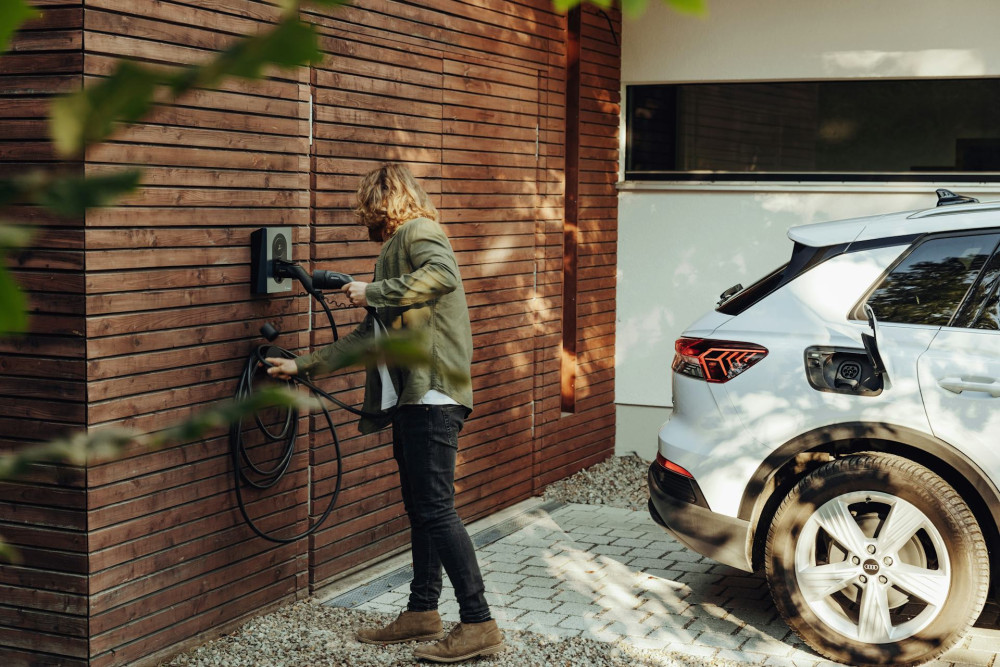
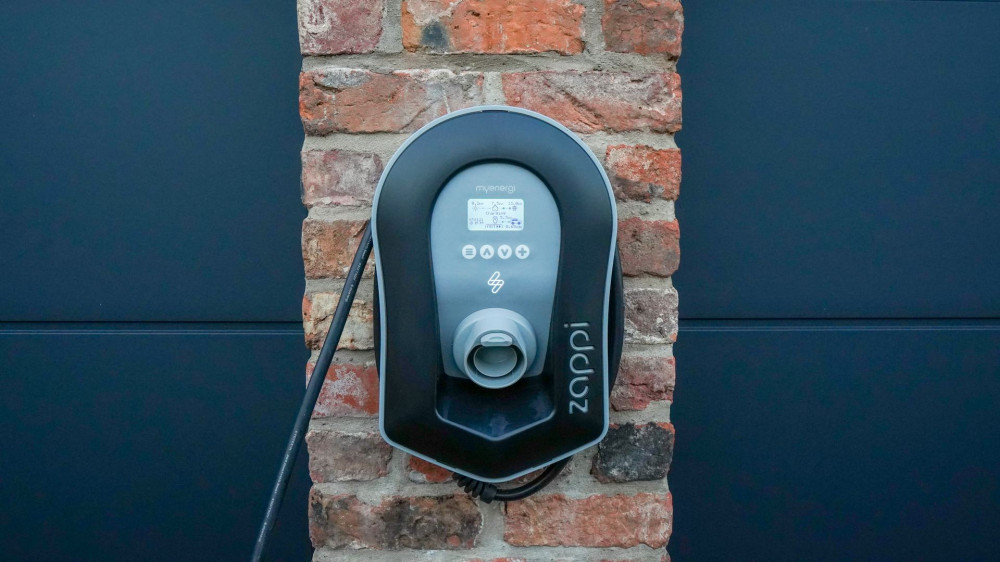
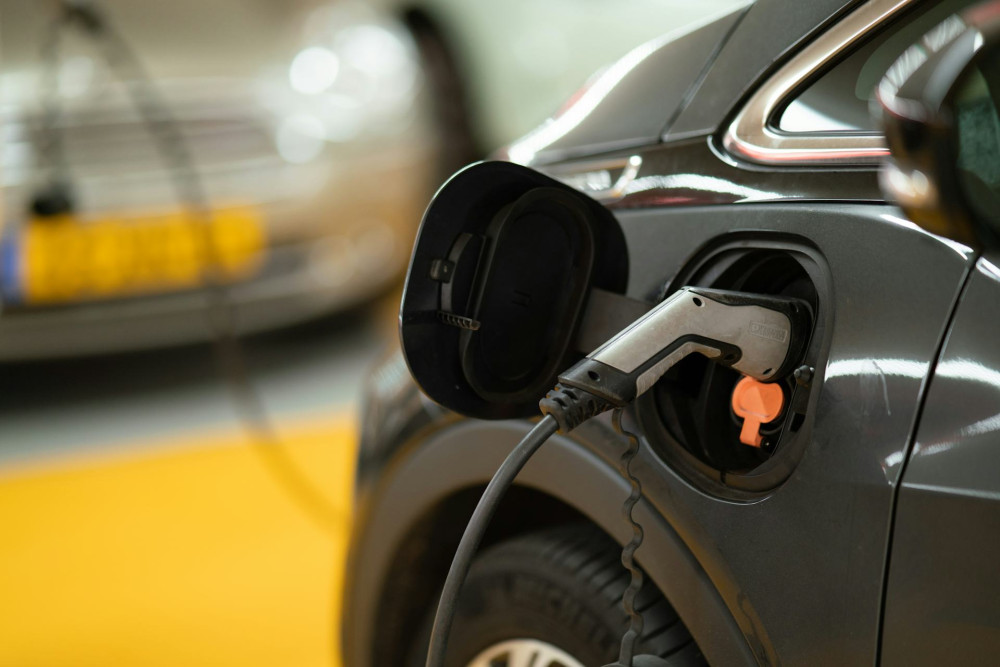
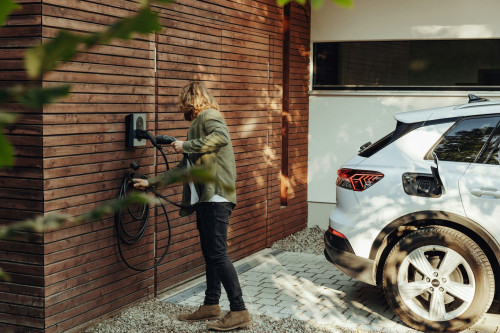
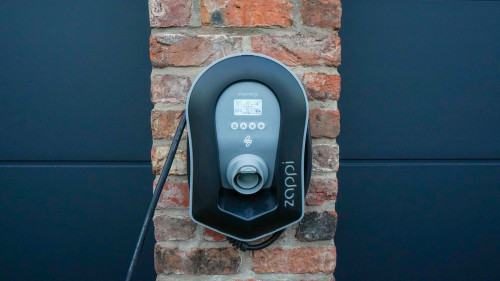
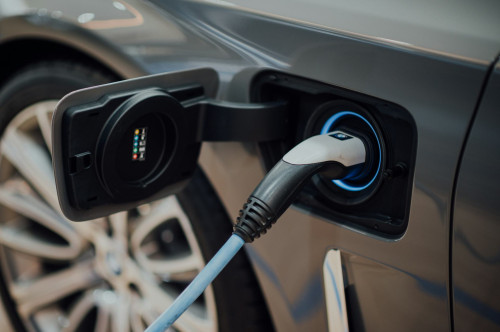
If you drive an electric vehicle, you can even integrate charging with your solar setup—charging during the day and using stored energy at night. For homeowners who can’t install panels, many utilities now offer green power programs that let you choose electricity from renewable sources for just a few extra dollars per month.
Water Savings and Smart Technology
Water conservation is another area where sustainability meets savings. Simple upgrades can make a big difference:
- Low-flow faucets and showerheads reduce water use without sacrificing comfort.
- Dual-flush toilets save gallons with every use.
- Rainwater collection systems can supply water for gardens or outdoor cleaning.
- Smart leak detectors alert you to hidden leaks before they cause costly damage.
These solutions are relatively inexpensive and can lower both water and energy bills, since heating water is a major household energy expense.
Eco-Friendly Materials and Healthier Living
When remodeling or building, the materials you choose matter. Opting for sustainably sourced wood, low-VOC paints, and recycled materials reduces environmental impact and improves indoor air quality. A healthier home environment means fewer allergens, less moisture buildup, and lower maintenance costs over time.
The Economics of Going Green
Many people assume sustainable choices are expensive, but the opposite is often true when you look at the long term. Energy-efficient upgrades typically pay for themselves within a few years through lower utility bills. They also increase property value and make homes more attractive to buyers.
Financial institutions are catching on—many now offer green home loans or lower interest rates for energy-efficient improvements. Combined with federal incentives like the Inflation Reduction Act’s energy tax credits, the financial case for going green has never been stronger.
A Sustainable Future Starts at Home
Making your home more sustainable isn’t just an environmental gesture—it’s practical, forward-thinking, and financially rewarding. Every improvement, big or small, contributes to lower energy use, a healthier living space, and a more stable household budget. And perhaps most importantly, it shows that the path to a greener future begins right where we live.
Læs også: