Emotions and Investing: How to Manage Fear and Greed in the Market


Emotions and Investing: How to Manage Fear and Greed in the Market
Investing isn’t just about numbers, charts, and strategies—it’s also deeply emotional. Fear and greed are two of the most powerful forces driving market behavior, and they can lead even experienced investors to make irrational choices. Understanding and managing these emotions is a key part of becoming a successful investor. Here’s how you can stay calm when markets swing and avoid letting emotions dictate your decisions.
The Market as a Mirror of Human Psychology
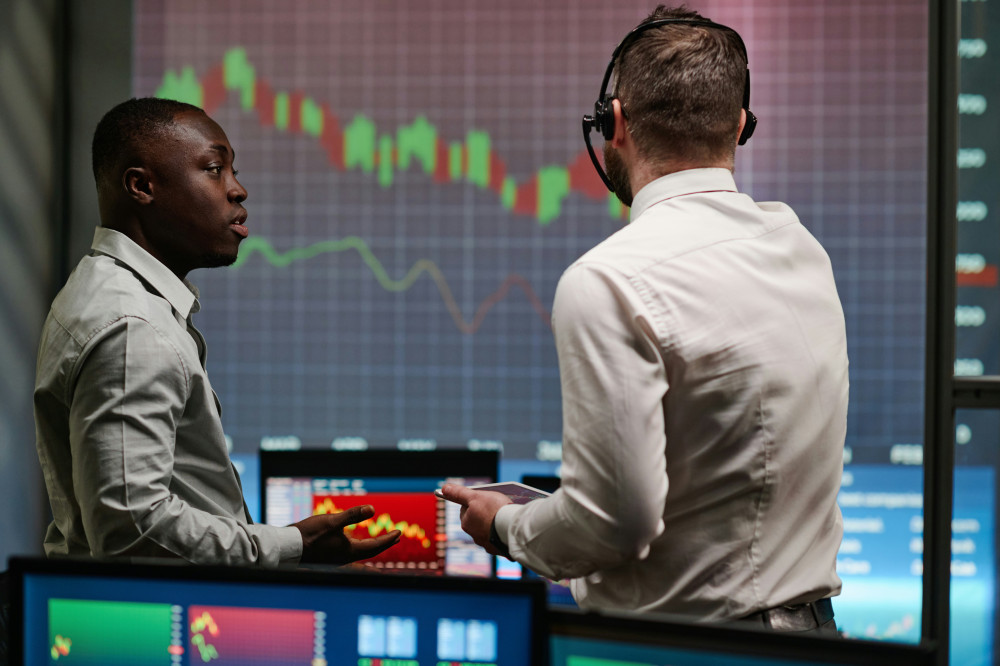
The stock market is, at its core, a reflection of human behavior. When optimism runs high, prices rise; when fear takes over, they fall. This creates cycles of euphoria and panic that repeat over time.
As an investor, it’s important to recognize that you’re part of this psychology. It’s easy to get swept up when headlines talk about record highs or when markets tumble. But it’s precisely in those moments—when emotions are strongest—that the risk of poor decisions is greatest.
Fear – When Uncertainty Takes Control
Fear often strikes when the market drops and your portfolio value shrinks. It can feel like a personal loss, and many investors react by selling to “cut their losses.” Unfortunately, that often happens at the worst possible time—right before the market recovers.
To manage fear, you can:
- Have a clear strategy: If you’ve already defined your goals, time horizon, and reasons for investing, it’s easier to stay the course when volatility hits.
- Focus on the long term: Historically, the U.S. stock market has recovered from every downturn. Reminding yourself of that can help calm your nerves.
- Limit how often you check your portfolio: The more frequently you look, the more emotionally reactive you become. Give your investments time to work for you.
Fear can’t be eliminated entirely, but it can be controlled. Accept that market fluctuations are a normal part of investing.
Greed – When Optimism Runs Wild
Greed tends to appear when markets are rising and you feel like you’re missing out if you don’t buy more. It can lead to taking excessive risks, investing in things you don’t understand, or ignoring warning signs that prices have become inflated.
To keep greed in check, you can:
- Set clear goals for returns and risk: Knowing what you’re aiming for makes it easier to stop before you take on too much risk.
- Diversify your portfolio: Spreading your investments across different asset classes reduces the impact if one area performs poorly.
- Be skeptical of “can’t-miss” opportunities: If something sounds too good to be true, it usually is.
Greed can bring short-term excitement but rarely long-term success. The best investors are those who can stay rational when others lose their composure.
Build Structure Around Your Decisions
One of the most effective ways to reduce emotional influence is to create structure around your investing process. You can do this by:
- Developing an investment plan that outlines your time horizon, risk tolerance, and asset allocation.
- Automating your investments, such as through regular monthly contributions to a 401(k) or IRA, so you don’t have to make constant decisions.
- Reviewing your portfolio on a set schedule, such as quarterly, instead of reacting impulsively to daily market moves.
When you have a plan, it becomes easier to distinguish between rational decisions and emotional reactions.
Læs også:


Learn from Your Own Reactions
Even the most disciplined investors are influenced by emotions. The key is to learn from your experiences. Take note of how you respond during periods of volatility—did you sell too early, buy too late, or stay patient? Over time, this self-awareness can help you improve your behavior.
Investing isn’t about eliminating emotions but understanding them. When you know your own patterns, you can use that insight as a guide rather than letting emotions take the wheel.
Calm and Patience as a Competitive Edge
In a world where news alerts, social media, and market data are constant, calm and patience have become rare—but also incredibly valuable. Investors who can maintain perspective when others panic often achieve the best results.
Managing fear and greed ultimately comes down to knowing yourself. The better you understand your own emotions, the better you can navigate the market’s unpredictability—and the greater your chances of reaching your financial goals.
Læs også: